Blog

  • Slow Feeder vs Elevated Bowl: Which Is Right for Your Dog?

    Slow Feeder vs Elevated Bowl: Which Is Right for Your Dog?

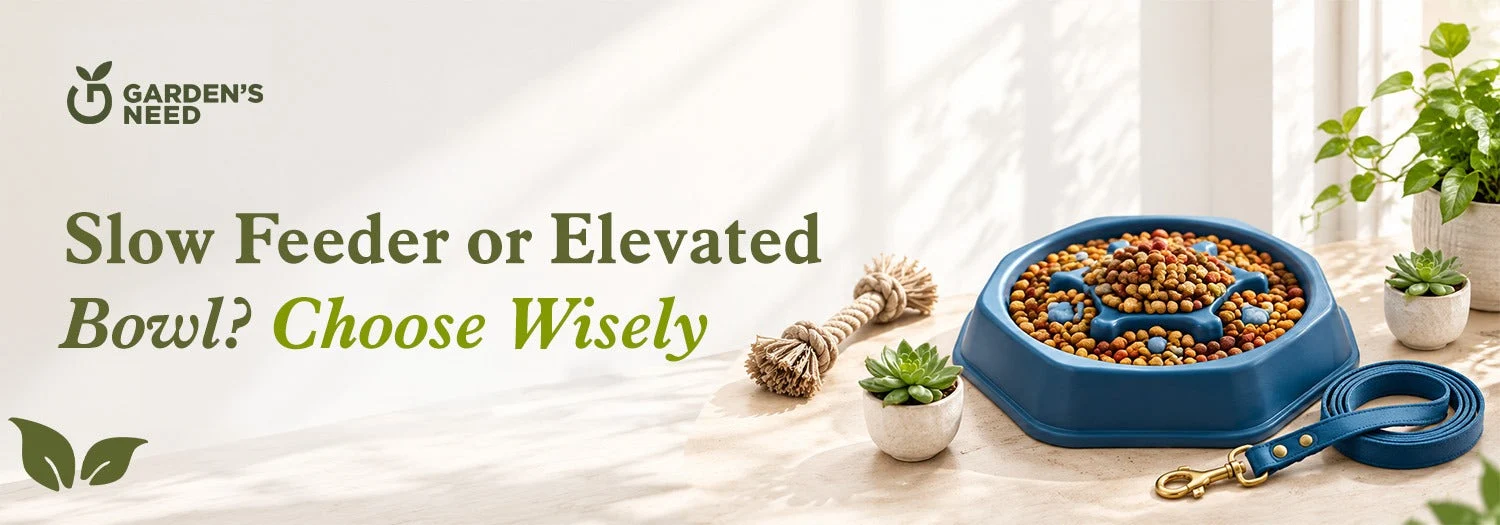
    If your dog gulps food in seconds or seems uncomfortable while eating, the right bowl can genuinely help. Two popular options — slow feeders and elevated bowls — solve very different problems. Here’s how to pick the right one.

    What a slow feeder bowl does

    A slow feeder has ridges or a maze pattern that forces your dog to eat around obstacles, slowing them down. This helps dogs that gulp their food — reducing bloating, gas, vomiting and the risk of choking. It also adds a little mental stimulation at mealtime. Slow feeders are ideal for fast eaters, greedy breeds and puppies learning to pace themselves.

    What an elevated bowl does

    An elevated (raised) bowl lifts food and water off the floor to a more comfortable height. This eases strain on the neck and joints — a real benefit for older dogs, large breeds and pets with arthritis. Raised bowls can also improve posture while eating and keep the feeding area cleaner.

    Which one is right for your dog?

    • Choose a slow feeder if your dog eats too fast, gulps, or gets gassy after meals.
    • Choose an elevated bowl if your dog is tall, older, or strains to reach a floor bowl.
    • Consider both for a large, fast-eating senior dog — a raised stand with a slow-feed bowl on top.

    Don’t forget hygiene and grip

    Whichever you pick, look for an anti-slip base so the bowl doesn’t slide, and easy-clean material you can wash daily. Explore our dog & cat bowls — including slow feeders and elevated designs — in safe, easy-to-clean finishes.

    Frequently Asked Questions

    Do slow feeder bowls really help dogs?

    Yes — by making dogs eat around ridges, they slow gulping and reduce bloating, gas, vomiting and choking risk.

    Are elevated bowls better for big dogs?

    Raised bowls ease neck and joint strain, which benefits tall breeds, older dogs and pets with arthritis.

    Which bowl is best for a fast-eating senior dog?

    Consider a raised stand with a slow-feed bowl — it addresses both fast eating and joint comfort together.

    Ready to shop? Explore our dog & cat bowls at Gardens Need — durable, lightweight and made for Indian homes, with fast delivery across India.

  • Litter Training a Kitten: Box Size, Placement and Cleaning Routine

    Litter Training a Kitten: Box Size, Placement and Cleaning Routine

    Litter training is usually the easiest part of raising a kitten — cats instinctively want to bury their waste. Get the box, placement and routine right and most kittens learn in days. Here’s a simple, stress-free guide.

    Choose the right litter box size

    A litter box should be at least one and a half times the length of your cat, with low sides for a kitten to climb in easily. Too small and your cat will avoid it. For a growing kitten, start with a smaller, low-entry box and size up as they grow. Our cat litter boxes come with a scoop and easy-clean design to make the routine simple.

    Where to place the litter box

    • Quiet and private — cats dislike doing their business in busy, noisy spots.
    • Easy to reach — never behind a closed door or far from where the kitten sleeps.
    • Away from food and water — cats won’t toilet next to where they eat.
    • One box per cat, plus one extra — in a multi-cat home this prevents accidents.

    A simple training routine

    Place your kitten in the box after meals, naps and play — the times they’re most likely to go. If they start to squat elsewhere, gently move them to the box. Never punish accidents; just clean thoroughly to remove the smell so they aren’t drawn back. Most kittens get the idea within a few days.

    Keep it clean

    Scoop waste at least once a day and wash the box weekly — cats are famously fussy and will reject a dirty box. A clean box with fresh litter is the single biggest reason litter training sticks.

    Frequently Asked Questions

    How big should a kitten’s litter box be?

    At least 1.5 times your cat’s length with low sides. Start small and low for a kitten, then size up as they grow.

    Where should I put the litter box?

    In a quiet, easy-to-reach spot away from food and water. Provide one box per cat plus one extra.

    How do I stop litter box accidents?

    Place the kitten in the box after meals and naps, never punish accidents, and keep the box clean by scooping daily.

    Ready to shop? Explore our cat litter boxes at Gardens Need — durable, lightweight and made for Indian homes, with fast delivery across India.

  • Why a Water Fountain Keeps Your Cat Healthier and Better Hydrated

    Why a Water Fountain Keeps Your Cat Healthier and Better Hydrated

    Many cats simply don’t drink enough water — and dehydration is a leading cause of kidney and urinary problems in cats. A pet water fountain can genuinely change that. Here’s why moving water keeps your cat healthier.

    Why cats prefer running water

    In the wild, cats instinctively avoid still water, which can be stale, and seek out fresh, moving streams. That instinct stays with house cats — which is why so many prefer to drink from a dripping tap. A water fountain gives them constantly circulating, filtered water, so they drink more often and more willingly.

    The health benefits of better hydration

    • Kidney support — steady hydration reduces strain on the kidneys, a common feline weak point.
    • Fewer urinary problems — more water helps flush the urinary tract and lowers the risk of crystals and blockages.
    • Better digestion — proper hydration keeps everything moving smoothly.
    • Cooler in summer — cats drink more from fresh, cool moving water during Indian summers.

    Choosing and placing a fountain

    Pick a fountain that’s easy to clean and quiet enough not to startle your cat. Place it away from the food bowl and litter box — cats dislike drinking next to either. Keep it topped up and clean the filter regularly so the water stays fresh. Explore our pet water dispensers & fountains for easy-clean options.

    Help a nervous cat adjust

    If your cat is unsure at first, run the fountain near their usual water spot and leave the old bowl out for a few days. Most cats are curious about the moving water and switch over quickly.

    Frequently Asked Questions

    Do cats drink more from a water fountain?

    Yes — cats instinctively prefer fresh, moving water, so a fountain encourages them to drink more often, improving hydration.

    Are water fountains good for a cat’s kidneys?

    Better hydration reduces strain on the kidneys and lowers the risk of urinary problems, both common in cats.

    Where should I place a cat water fountain?

    Away from the food bowl and litter box, in an easy-to-reach spot. Keep it clean and topped up for fresh water.

    Ready to shop? Explore our pet water fountains at Gardens Need — durable, lightweight and made for Indian homes, with fast delivery across India.

  • 5 Signs Your Plant Needs a Booster (and Which Spray to Use)

    5 Signs Your Plant Needs a Booster (and Which Spray to Use)

    Plants can’t talk, but they tell you when something’s wrong. Learn to read the signs and a simple booster or protector spray can bring a struggling plant back to life. Here are 5 signs your plant needs help — and which spray to reach for.

    5 signs your plant needs a booster

    1. Pale or yellowing leaves — often a nutrient deficiency; a growth booster helps green it up.
    2. Slow or stunted growth — the plant has stalled and needs a nutrient and root boost.
    3. Weak, leggy stems — reaching and floppy growth signals it needs feeding.
    4. Spots, holes or webbing on leaves — pests or fungus; reach for a protector spray.
    5. Poor rooting after re-potting — a root booster helps new roots establish faster.

    Which spray for which problem

    • Pale leaves / slow growth → a plant growth booster spray for a quick nutrient lift.
    • Weak roots / after transplant → a root booster to stimulate root growth.
    • Insects, mites, sticky leaves → a plant protector / neem spray to control pests.
    • Spots, mildew, fungus → a fungal disease protector spray.

    Browse our ready-to-use plant care & booster sprays — no mixing needed.

    How to use sprays safely

    Always spray in the cool of early morning or evening, never in harsh midday sun which can scorch wet leaves. Cover both sides of the leaves, and repeat as directed on the label. For pest sprays, treat at the first sign of trouble — it’s far easier to prevent an infestation than to cure one.

    Prevention beats cure

    Healthy plants resist pests and disease better. Feed lightly through the growing season, don’t overwater, and give plants the right light. A monthly neem spray keeps most common problems away before they start.

    Frequently Asked Questions

    How do I know if my plant needs fertilizer?

    Pale or yellowing leaves, slow growth and weak, leggy stems are the classic signs a plant needs feeding or a booster.

    What spray should I use for plant pests?

    A ready-to-use neem or plant protector spray controls most common insects; use a fungal protector for spots and mildew.

    When is the best time to spray plants?

    Early morning or evening, out of harsh midday sun, covering both sides of the leaves.

    Ready to shop? Explore our plant care & booster sprays at Gardens Need — durable, lightweight and made for Indian homes, with fast delivery across India.

  • Cocopeat vs Garden Soil: What’s Best for Potted Plants?

    Cocopeat vs Garden Soil: What’s Best for Potted Plants?

    Should you fill your pots with garden soil or cocopeat — or both? It’s one of the most common questions from new gardeners. The answer depends on what you’re growing. Here’s a clear comparison for potted plants.

    What is cocopeat?

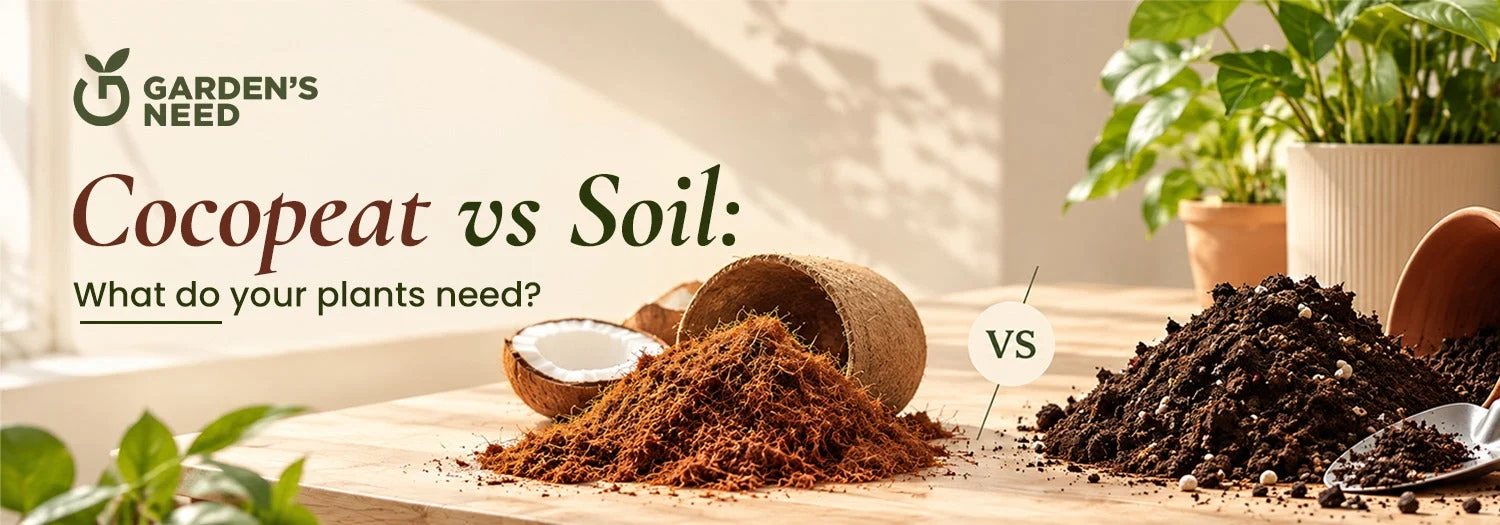
    Cocopeat (coir pith) is a natural, renewable growing medium made from coconut husk. It’s light, holds water and air beautifully, and is free of the weeds and pests that garden soil can carry. On its own it has few nutrients, so it’s usually mixed with compost — but for drainage and root health, it’s hard to beat.

    Cocopeat vs garden soil, side by side

    • Drainage — cocopeat drains freely; heavy garden soil can compact and waterlog pots.
    • Weight — cocopeat is light, ideal for balconies and hanging pots; soil is heavy.
    • Water retention — cocopeat holds moisture longer between waterings.
    • Nutrients — garden soil has more natural nutrients; cocopeat needs compost added.
    • Cleanliness — cocopeat is largely pest- and weed-free; soil may carry both.

    The best mix for potted plants

    For most container plants, a blend gives you the best of both: roughly 40% cocopeat, 30% compost and 30% garden soil. The cocopeat keeps it light and well-drained, the compost feeds the plant, and the soil adds body. For seeds and cuttings, use mostly cocopeat and compost for a soft, airy start. Buy compressed cocopeat blocks that expand many times in water — easy to store and use.

    How to use a cocopeat block

    Drop the compressed block in a bucket of water and it swells into loose, fluffy coir in minutes. Fluff it up, mix in your compost and soil, and it’s ready to fill pots. One small block goes a surprisingly long way.

    Frequently Asked Questions

    Is cocopeat better than garden soil?

    For drainage, weight and cleanliness, cocopeat is better; for natural nutrients, soil wins. A mix of both is ideal for potted plants.

    Can I use only cocopeat for plants?

    Cocopeat alone has few nutrients, so mix it with compost. For seeds and cuttings, a mostly-cocopeat mix works very well.

    How do I use a cocopeat block?

    Soak the compressed block in water and it expands into loose coir in minutes; then mix with compost and soil to fill pots.

    Ready to shop? Explore our cocopeat & growing media at Gardens Need — durable, lightweight and made for Indian homes, with fast delivery across India.

  • Grow 7 Plants in 1 Sq Ft: Vertical Tower Gardening for Small Spaces

    Grow 7 Plants in 1 Sq Ft: Vertical Tower Gardening for Small Spaces

    What if you could grow seven plants in the floor space of one pot? That’s the promise of vertical tower gardening — a stack of planters that grows upward. It’s the perfect answer to small balconies and terrace gardens in Indian cities.

    How a vertical tower planter works

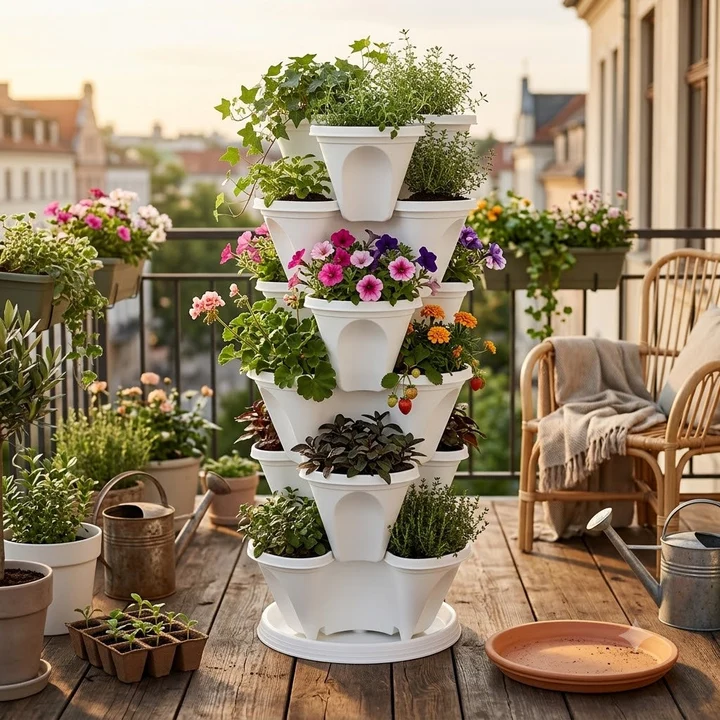
    A tower planter stacks several planting pockets into a single vertical column. Each level holds its own plant, so a tower with seven pockets grows seven plants in the footprint of one. Water added at the top filters down through every level, making the whole tower easy to care for.

    What you can grow in a tower

    • Herbs — mint, coriander, basil, curry leaf and tulsi.
    • Leafy greens — spinach, lettuce, methi and amaranth.
    • Strawberries — a classic tower crop that trails beautifully.
    • Flowers — portulaca and petunia for a colourful column.

    Keep heavier feeders near the top where they get the most water and light.

    Why it’s ideal for Indian homes

    Tower gardening turns a 1×1 foot corner into a productive mini-garden — perfect for apartment balconies and terraces. Our Stack-A-Pot vertical tower is lightweight, easy to assemble and stable, so you can grow a herb-and-salad garden even in the smallest space.

    Care tips for a healthy tower

    Water slowly from the top until it reaches the base so every level drinks. Turn the tower every few days so all sides get sun. Refresh the top soil each season, and choose shallow-rooted crops that suit the pocket depth.

    Frequently Asked Questions

    How many plants can a vertical tower grow?

    A stackable tower typically grows 6–7 plants in the floor space of a single pot, making it ideal for small balconies.

    What grows best in a tower planter?

    Herbs, leafy greens, strawberries and compact flowers are ideal — shallow-rooted plants that suit the pocket depth.

    Is a tower planter easy to maintain?

    Yes. Water from the top and it filters down through every level; just rotate it for even sun and refresh the soil each season.

    Ready to shop? Explore our stackable & tower planters at Gardens Need — durable, lightweight and made for Indian homes, with fast delivery across India.

  • Plant Gift Ideas for Housewarmings, Birthdays & Festivals

    Plant Gift Ideas for Housewarmings, Birthdays & Festivals

    A plant paired with a well-chosen pot can make a gift feel personal without becoming overly complicated. It can add greenery to a new home, brighten a desk or bring some colour to a festive setting. The best plant gift ideasalso take the recipient into account. Think about their available space, the amount of natural light their room gets and whether they are comfortable caring for a living plant. 

    A compact pot may suit a busy colleague, whereas a larger arrangement could work better for a new home. Housewarmings, birthdays and festivals each call for slightly different choices, and making the right choice is what makes a plant gift thoughtful.

    What Makes a Plant a Thoughtful Gift?

    A plant can become part of someone’s home, work desk or favourite corner rather than being put away after the occasion. The pot adds another personal touch, but the choice still needs to suit the person receiving it.

    • Colour and finish can be matched to the recipient’s existing décor, from simple neutral tones to more decorative options.
    • Size matters too. A compact planter may suit a desk or small apartment better than a large floor pot.
    • Think about the plant itself. Someone who enjoys gardening may appreciate a plant that needs more attention, but a beginner may prefer an easier option.
    • Care should not be overlooked. Light, watering and available space all affect whether the gift will work well in the long run.

    Plant Gift Ideas for Housewarmings

    Housewarmings are a good opportunity to gift something that can become part of the new home. The best plant gifts for housewarmingshould suit the recipient’s space, natural light and existing décor, rather than being chosen on appearance alone.

    A Decorative Planter for the Living Room

    A living room usually gives you more flexibility with plant gifts. Look at the available light first, then choose a plant that can comfortably grow there. A simple finish may suit a room with colourful furniture, whereas a more detailed design can work in a quieter space.

    • Smaller plants can work on side tables, shelves or consoles.
    • Floor planters make more sense when there is an empty corner to fill.
    • Neutral colours can blend into different décor styles.
    • The plant and pot should look proportionate to each other.

    A selection of decorative planters can help narrow down the pot based on the room’s style and the size of the arrangement.

    A Stone-Look Planter for a Modern Home

    Marble and granite-look finishes can give a plant gift a more substantial appearance without necessarily choosing a heavy stone pot. They can suit modern living rooms, entrances and other areas where the planter itself is part of the décor.

    Size needs some attention here. A large entrance can handle a taller or wider planter, but a smaller living-room corner may need something more compact.

    • Match the planter size to the available floor space.
    • Consider the plant’s expected growth before choosing a larger pot.
    • Grey, white or neutral finishes can work with a range of interiors.

    The marble and granite look planters collection offers different styles to consider when the recipient prefers a more polished finish.

    A Compact Gift for a Smaller Home

    An apartment, studio or compact living room may be better suited to a small plant that can be placed on a shelf, table or windowsill.

    Check the available space before buying, especially if you are unsure where the recipient plans to keep it. A small care card can also make the gift more useful. Add a short personal message, and the present feels complete without needing elaborate packaging.

    Plant Gift Ideas for Birthdays

    Birthdays give you more freedom to choose a gift around the person rather than the occasion itself. A small plant can suit a desk or study area, while a simple pot may appeal to someone with a quieter décor style.

    A Small Planter for a Desk or Study Space

    A compact plant can make useful birthday plant giftsfor a student, colleague or friend. Before choosing one, check where it will be kept and how much natural light reaches the desk. A plant that needs bright light may struggle in a darker workspace.

    • Small pots work well beside notebooks, laptops or study materials.
    • Easy-to-manage plants can suit someone with a busy routine.
    • A lighter planter is easier to move if the desk needs rearranging.

    The office and desk planters collection can be a useful starting point when looking for a compact option. It can also make a simple, practical gift for someone who spends a lot of time studying or working at a desk.

    A Simple Pot for Someone Who Loves Understated Décor

    Some people prefer gifts that blend into their home rather than becoming the main feature. Plain finishes, softer colours and simple shapes can work well for this kind of recipient.

    A personalised card can add more meaning than elaborate packaging. Choose a pot that feels close to their existing style instead of trying to make the gift overly decorative. Minimalist pots can suit someone who prefers a cleaner look.

    A Gift Chosen Around the Recipient’s Hobby

    The plant itself can also showcase what the recipient enjoys. An experienced gardener may already have a particular plant in mind, and hence, choosing something related to their hobby can make the gift more personal.

    • Beginners may need a manageable plant with clear care instructions.
    • Experienced gardeners may appreciate a plant they have been wanting to grow.
    • The pot size should match the plant rather than simply choosing the largest option.

    Plant and Floral Gift Ideas for Festivals

    Festivals can call for gifts that feel warm and personal without being overly elaborate. A plant, traditional pot or simple floral arrangement can suit different homes and gifting preferences.

    Traditional Pots for Festive Home Styling

    Traditional designs can bring a familiar decorative touch to festive plant gifts. Warm colours, rounded forms and textured finishes may work particularly well in homes that already use similar elements.

    • A traditional pot can be paired with a flowering plant or another suitable indoor plant.
    • Smaller pots are easier to gift when you are unsure about the recipient’s available space.
    • Choose colours and finishes that complement the home rather than assuming a particular style will suit everyone.

    The matki and traditional pots collection can be considered when a more traditional-looking planter feels right for the recipient.

    A Tulsi Planter for Someone Who Values the Tradition

    A Tulsi planter can be a meaningful choice when the recipient already keeps or wants to grow Tulsi. The decorative pots for giftingshould still match their available space and willingness to care for the plant.

    • Check that the intended spot receives suitable sunlight.
    • Make sure the planter has appropriate drainage.
    • Consider the size of the space before choosing a larger planter.

    Someone who already values this tradition may find Tulsi pots a more personal choice than decorative pots.

    A Flower Vase as an Alternative to a Living Plant

    A flower vase gives you another option when a rooted plant may not suit the recipient. Fresh flowers can make the gift feel festive, while dried flowers can be kept as part of the décor for longer.

    • Fresh flowers work well for an occasion-specific gift.
    • Dried arrangements suit someone who prefers low-maintenance décor.
    • Choose the vase size according to where the recipient is likely to display it.

    Flower vases can therefore work well for someone who enjoys floral arrangements but may not want the care involved with a living plant.

    Conclusion 

    A good plant gift starts with the person receiving it. The occasion, their available space, light and how much plant care they are comfortable with have to be taken into account. Choose a suitable pot, then check whether the plant needs to be purchased separately. Garden’s Need offers options for different gifting styles, spaces and occasions, making the selection easier. 

    As one of the leading pots manufacturer in India, Garden’s Need brings together planters for gifting, decorating and everyday gardening.

    Frequently Asked Questions

    How do I choose a plant gift for someone new to gardening?

    Pick something easy to look after rather than giving them a plant that needs constant attention. Check where they plan to keep it and how much light the spot gets. A smaller planter with simple care instructions is a good place to start.

    Should I gift a plant with a pot or let the recipient choose one?

    A plant with a pot feels more complete, especially if you already know what their home looks like and how much space they have. If you are not sure about their taste, giving the plant on its own lets them choose the pot they like.

    Is a flower vase a suitable alternative to a plant gift?

    Yes. A flower vase can be a good choice for someone who enjoys floral arrangements but may not want to care for a living plant. Fresh flowers suit occasion-based gifting, while dried arrangements can be kept as part of the decor for longer.

  • Which Planter Is Right for Your Space? Room-by-Room Guide

    Which Planter Is Right for Your Space? Room-by-Room Guide

    A planter can look perfect in a catalogue and still feel out of place once it reaches your home. The right choice depends on several factors other than appearance. Space, plant size, drainage and material all influence how well a planter works in a particular setting. A compact pot may go well beside a table, but a larger living room corner calls for something with more presence.

    How to Choose the Right Planter for Any Space

    The right planter should be suitable for both the plant and the place where it will be placed. Size, drainage, material and the look of the space all need to work together.

    Match the Planter Size to the Plant

    A pot that is too small can leave the roots cramped and make watering harder to manage. Going much larger than needed is not ideal either, since excess soil can retain more moisture than the plant needs. Look at the plant’s current size, root space and expected growth before choosing pots for plants.

    Check the Drainage

    Drainage becomes especially important when choosing a planter. Indoor pots need protection so that excess water does not run through the base. Outdoor planters have different demands, particularly in areas that receive regular rain. A suitable drainage setup helps prevent water from lingering around the roots.

    Consider Weight and Material

    The planter material changes how easy it is to move and where it can be placed. Lightweight options work well for shelves, balconies and spaces where plants may need to be shifted. Heavier planters can feel more grounded in open areas, but they need a suitable spot from the start.

    Match the Planter to the Space

    Think about the room before settling on a style. A planter should leave enough room for people to move around it and should not overpower the furniture nearby. Sunlight, available floor or shelf space and the overall décor can help narrow down the right choice.

    Best Planters for Every Room and Space

    The right planter should naturally feel aligned with the space, along with the plant, with size, sunlight, drainage and material guiding the choice. A living room may need a larger statement pot, while a kitchen or bedroom often works better with something compact and easy to manage.

    Living Room: Make Planters Part of the Décor

    The living room gives you more scope to make a planter part of the room rather than treating it as just a place for the plant. A larger plant can be placed beside a sofa, console or open wall, adding some height without needing another decorative piece. 

    • Large pots for plants work well where there is enough floor space.
    • Statement planters can become a visible part of the room’s décor.
    • Medium and large floor pots suit bigger plants and open corners.
    • Taller planters work well where the room needs some added height.
    • Similar shapes can help when several plants are placed together.

    The proportions matter here. A very small pot may disappear beside large furniture, while an oversized planter can make a smaller room feel crowded. Decorative planters can bring more character to the arrangement. 

    Bedroom: Keep It Simple and Space-Smart

    Bedrooms usually suit smaller plant arrangements. A compact pot on a side table can add greenery without taking over the room. A floor planter can work near a window, dresser or an unused corner.

    Lightweight pots are useful if plants need to be moved around for sunlight. Table top planters make sense in smaller bedrooms, while floor pots give larger rooms a little more presence.

    • Compact planters suit bedside tables and smaller corners.
    • Lightweight pots are easier to move when needed.
    • Simple designs can stay comfortably with existing décor.
    • A tray or base can help protect furniture and floors from excess water.

    Drainage deserves attention indoors as well. Water should not collect underneath the planter or reach wooden surfaces. Indoor planters are suited to plants that stay inside and can work well for smaller arrangements.

    Kitchen: Choose Compact and Practical Pots

    The kitchen can be a good home for herbs and small edible plants. A few pots on a windowsill can bring some greenery into the room without taking up much working space. Countertops need much more thought since large pots can quickly become inconvenient.

    • Small pots work well for herbs and compact plants.
    • Windowsills can suit plants that receive enough natural light.
    • Countertop greenery should stay clear of food preparation areas.
    • Drainage is important on wooden, stone and other kitchen surfaces.

    A manageable pot is usually easier to water, move and clean around. There is no need to choose a large decorative planter simply because the kitchen has an empty corner.

    Balcony: Save Space Without Sacrificing Greenery

    A balcony may look spacious at first, but several pots can use up the floor area quickly. Check the available space before choosing planters, then think about sunlight, rain and how large the plants are likely to become.

    Floor planters are useful for larger plants. Hanging and vertical arrangements can make use of walls or other suitable areas without taking up more floor space. Hanging planters should have proper support.

    • Lightweight pots are easier to move around.
    • Good drainage matters when the balcony receives rain.
    • Sunny balconies need plants that can handle stronger light.
    • Vertical options can free up some floor area.

    Balcony planters should match the space as well as the conditions outside. Using different heights can also make a small balcony feel fuller without filling every available spot.

    Entrance & Porch: Choose Statement Planters

    The entrance is one of the first parts of a home people notice. Small pots can get lost around a wide doorway, so larger or taller planters often make more sense. Two matching planters can work neatly on either side of the entrance. A single large planter can also be enough when the doorway or porch has limited space.

    The planter should have enough presence to suit the scale of the entrance. Large pots for plants can work well around wider doorways, while roto moulded planters are an option for spaces where durability and easier handling matter.

    Terrace & Garden: Prioritise Durability and Plant Growth

    Outdoor planters have more to deal with than indoor ones. Sun, rain and changing weather can all affect where a planter works best. The plant itself should guide the size, especially when you are growing shrubs or larger varieties.

    • Larger plants need enough room for root growth.
    • Outdoor pots for gardening should suit the weather they will face.
    • Drainage holes help excess rainwater move away.
    • Lighter pots are useful when plants need to be moved.

    Outdoor planters can be chosen around the plant and its growing conditions. Pots are also useful for separating different planting areas, from flowers to larger greenery. Larger outdoor arrangements can also work well with roto moulded planters.

    Office & Commercial Spaces: Keep It Professional and Low Maintenance

    Plants can soften the feel of a reception area, fill an empty office corner or add some greenery to a workstation. The planter needs to fit the setting without getting in the way of people moving around.

    Smaller desks usually need compact pots. Larger reception areas, cafés and commercial entrances have more room for taller plants and statement pieces.

    • Clean designs suit most professional interiors.
    • Compact pots work well on desks.
    • Larger planters can fill open reception areas.
    • Cafés and restaurants can use greenery to break up larger spaces.
    • Commercial entrances need planters that can handle regular use.
    • Decorative planters can add some element of interest without making an office or commercial space feel overly formal.

    What Planter Size Should You Choose?

    The right planter size is decided on the available space, the plant’s current size and how much space its roots need to grow. A planter should give the plant enough space without taking over the area around it.

    SpaceSuggested Planter TypeTypical Plant Use
    Desk/WindowsillSmallHerbs, succulents and small plants.
    BedroomSmall-MediumCompact indoor plants.
    Living RoomMedium-LargeFloor and statement plants.
    BalconyMediumFlowers, herbs and compact shrubs.
    EntranceLarge/TallStatement plants.
    Terrace/GardenMedium-LargeShrubs and outdoor plants.

    Find the Right Planter for Your Space

    Finding the right planter is easier when you narrow the choice down step by step. Start with the space, check the size, think about the plant you want to grow, and then look for a style that fits the setting.

    Garden’s Need has planters across different sizes, styles and uses, which makes it easier to choose. Their collection is based on where the planter will be placed and what you plan to grow.

    Conclusion

    A planter that looks right in the living room may not be the best fit for a bedroom, balcony or garden. The choice comes down to the placement, the plant’s needs, the available space and the style you want to bring into the area. Garden’s Need offers a wide range of sizes, shapes and finishes for different spaces and planting needs. As a leading pots manufacturer in India, Garden’s Need makes it easier to find a planter that fits your home and plants.

  • How to Style a Sunny Windowsill with Plants and Pots

    How to Style a Sunny Windowsill with Plants and Pots

    A sunny windowsill offers a practical place to introduce greenery into a home without sacrificing floor space. In apartments and smaller houses, it can hold a few flowering plants, fresh herbs or leafy varieties in attractive containers. However, the arrangement needs to suit the window rather than simply look appealing. Sun exposure, available space, drainage and temperature all affect the plants’ health.

    Selecting suitable sunny window sill plants and pots helps create a display that matches the space and remains manageable throughout the year. With good positioning and proper upkeep, even a small sill can turn out to be a beautiful interior detail.

    Check Your Windowsill Before Choosing Plants

    Evaluate the surroundings of the window before selecting plants. Light levels, surface size and temperature will determine which plants are compatible and how many pots the windowsill can hold.

    Observe the Sunlight Throughout the Day

    Direct sunlight reaches the foliage unobstructed. But bright indirect light provides ample natural brightness without prolonged exposure to direct rays. Plants suited to strong sunlight may struggle in shaded areas. Delicate foliage can develop scorched patches under intense sunlight.

    Observe the window in the morning, at midday and in the afternoon. East-facing windows generally receive morning sunshine. However, west-facing windows can become hotter later in the day. Buildings, balconies and nearby trees may reduce the amount of light reaching the sill.

    Choose plants according to the actual conditions. A window’s direction offers a useful starting point, but it does not tell the whole story.

    Measure the Usable Space

    Measure the sill’s length and depth before buying containers. Leave space to operate the handles, move the curtains, and clean the glass. 

    Compact pots suit narrow surfaces, while deeper sills allow a wider choice of arrangements. Allow space for plants to mature. Keep a clear area for watering and moving pots when needed.

    Check Heat Near the Glass

    The sun’s rays may heat up the area around the window, especially during summer in India. So, check whether the sill becomes excessively warm in the afternoon. Sensitive plants may need to be moved away from the glass or protected with suitable shading.

    Review the conditions as the seasons change. A location that suits a plant during winter may require adjustment during hotter months.

    How to Choose Pots for Windowsill Plants

    A pot may look perfect on a shelf but feel out of place on a windowsill. Size, weight, and drainage are essential factors to consider when choosing pots for windowsill plants. Measure the ledge and think about the plants you want to keep there before buying pots for windowsill plants. This makes it easier to find pots that fit well and are easy to care for.

    Choose Containers that Fit Securely

    Always check the depth of your windowsill before picking a pot. A wide container on a narrow ledge can be unstable. An oversized pot may leave little space for other plants. Keep every pot fully supported by the sill and leave enough space to water without knocking over nearby containers.

    For narrow spaces, window and railing planters offer another option. Check the measurements before buying to ensure the planter fits your window.

    Select Practical Pots for Indoor Placement

    You must consider how often you will need to move the pots. Lightweight containers are easier to lift for cleaning the sill or orienting the plants toward the light. Heavier pots may be better for larger plants if the surface can accommodate the weight.

    Drainage is equally important. Holes at the bottom let excess water escape, while a saucer catches drips and helps protect the sill. If you prefer a decorative pot without drainage holes, place a nursery pot inside it and remove the inner pot when watering. Opt for indoor planters to find containers suited to your space and routine.

    Coordinate Colours and Finishes

    You do not need matching pots to create a neat display. White, beige and terracotta work well together, while grey and muted shades suit a more modern room. Choose finishes that complement the window frame and let the foliage stand out.

    For a simple look, minimalist pots are worth considering. Check that each pot has suitable drainage and that its finish will not easily mark the sill. Use saucers or protective mats where needed.

    Five Ways to Arrange Plants on a Sunny Windowsill

    Effective windowsill plant ideas balance visual interest with each plant’s needs. Height, leaf shape and pot texture can create variety and make the space look attractive.

    Create a Coordinated Row

    Matching containers create a tidy display along a kitchen or bedroom window. Choose similar finishes and leave a little space between each pot. Differences in leaf shape and colour keep the row from looking repetitive.

    Keep the number of plants proportionate to the width of the sill. A few well-spaced containers are easier to water and maintain than a tightly packed arrangement.

    Mix Heights Without Blocking Sunlight

    Different plant heights add depth to the display. Position taller plants at one side or behind smaller plants if they don’t block other plants that require more sunlight. The space left can be filled with smaller and compact varieties like herbs.

    You must consider the future growth when arranging the pots. A plant that looks compact at the nursery may develop wide leaves or trailing stems. Keep window handles accessible and avoid pressing foliage against hot glass.

    Use One Decorative Pot as a Focal Point

    A distinctive pot can draw attention to a favourite plant. Choose a sculptural shape, an unusual outline or a contrasting finish, then surround it with simpler containers. The decorative planters collection includes designs for different interior styles. Select a pot that complements the plant without overpowering it.

    For windowsill decor, a small ornament can add character when space permits. Keep decorations away from drainage trays and leave enough space for watering and cleaning.

    Add Texture for Visual Interest

    Texture can introduce variety without relying on several colours. Smooth ceramic pots work well beside ribbed or woven-look containers. Foliage adds further variation through differences in leaf size, shape and surface.

    The rattan and textured planters collection offers ways to introduce a tactile finish. Keep the remaining containers relatively simple so the different surfaces complement one another.

    Pair Plants with a Small Flower Vase

    A small vase can add seasonal colour between potted plants. Place it where the sill has enough space and where it will not block light or window movement. A clear glass design keeps the arrangement visually light, while coloured ceramic provides an accent. The flower vases collection includes options for different decorative styles.

    Keep cut flowers separate from planted containers. Flowers in a vase need fresh water and trimmed stems. But potted plants require a suitable growing medium and drainage. Wipe up spills promptly to protect the sill.

    How to Keep Windowsill Plants Healthy

    Plants on a sunny windowsill may need a little more attention as the soil dries and the leaves respond to changing light. A periodic inspection every few days will help you detect any issues and maintain the freshness of your windowsill garden.

    Water According to the Plant’s Needs

    Don’t water just because it’s part of your daily routine. Check the soil first, then water if it feels dry at the depth your plant requires. Sunlight can dry out small pots quickly, so keep an eye on them during hot weather. A watering can makes it easier to water gently without splashing the sill.

    Choose a Suitable Growing Medium

    The soil mix matters just as much as watering. Always match it with the plant’s drainage and moisture requirements. Cocopeat and growing media can help hold moisture. But it alone may not provide enough nutrients. This needs to be added to the compost or other ingredients to fulfil the needs of your plants.

    Common Windowsill Styling Mistakes

    • Placing too many pots on the windowsill and leaving little space for plant growth.
    • Choosing plants without checking whether the available sunlight suits them.
    • Arranging pots in a way that blocks window handles, curtains or airflow.
    • Keeping pots partly over the sill’s edge, making them unstable.
    • Forgetting to empty saucers after watering and allowing water to collect.
    • Planting varieties with different sunlight and watering needs in the same container.

    Conclusion

    Creating a successful display requires proper lighting, containers and space for optimal growth. Begin with a small number of appropriately matched containers and then adapt your display. Garden’s Need serves buyers searching for a pot wholesaler in India. 

    Explore Garden’s Need for container options suited to sunny windowsill plants, or enquire about bulk requirements for residential projects and larger orders.

    FAQs

    Can a sunny windowsill become too hot for plants?

    Definitely, glass can trap heat, especially in summer. If your plants look droopy or their leaves start to burn, move them away from the window for a while.

    What should I check before buying windowsill pots?

    Grab a tape measure first. Measure the width of the sill and choose pots that will not crowd the available space. Proper drainage is essential, and it is good to have saucers.

    Can herbs and decorative plants share the same windowsill?

    Absolutely, match up your herbs with flowers or other foliage plants that require similar water and sunlight needs.
  • Lightweight vs Heavy Planters: Which Should You Choose for Each Space?

    Lightweight vs Heavy Planters: Which Should You Choose for Each Space?

    Making a choice between lightweight and heavy planters depends on where you plan to keep them and how often they need to be moved. Lightweight vs heavy plantershave to be picked depending on plant size, available space, drainage and stability as well. A light pot can be easier to shift around a balcony, whereas a heavier one may suit a permanent display near an entrance. The difference becomes clearer when you look at the planter’s material, construction and total weight once it is filled.

    What Makes a Planter Lightweight or Heavy?

    A planter’s weight is mainly based on its material, size and construction. The weight also changes once you add the plant, growing medium and water, so the empty pot does not tell the whole story.

    Material, Dimensions and Construction

    Plastic pots are generally easier to lift and reposition than containers made from ceramic, stone or concrete. Terracotta can fall somewhere in between, depending on the pot’s size and thickness. Even pots made from the same material can feel quite different to handle.

    • Thin-walled containers are usually lighter than thicker versions of similar dimensions.
    • Larger planters tend to weigh more, although their material also makes a difference.
    • Broad bases and sturdy construction can affect how a pot feels and performs in its intended space.

    If outdoor positioning is a priority, UV-resistant plastic pots offer an option to explore for different planting setups.

    Empty Weight Versus Filled Weight

    An empty planter may be easy to lift, but filling it with soil and adding a mature plant can make it much heavier. Water retained after watering matters when placing pots on shelves, balconies or terraces.

    Before choosing, consider the combined weight of the container, growing medium, plant and water. Lightweight plant pots can become difficult to move once filled, so think about their final position before planting. 

    Lightweight vs Heavy Planters: What Are the Main Differences?

    Lightweight plant pots are easier to handle, but weight also affects stability, durability and where you can place a planter.

    • Moving and rearranging – Lighter pots are easier to move when cleaning or changing the layout. They also help when plants need better light. Heavy pots suit spots where you plan to leave them.
    • Stability – A heavier pot may stay put more easily. Hence, the base width, plant height and wind exposure can collectively decide whether it tips.
    • Durability – A planter’s weight doesn’t tell you how long it will last. The material, build quality and exposure to sun or rain matter as well.
    • Maintenance – Lighter containers are easier to lift for cleaning or repositioning. Heavy ones need more planning around watering and drainage.
    • Supporting surfaces – Soil, water and the plant add to the total weight. Check this before placing a planter on a shelf, balcony or terrace.
    • Appearance – Both types can work in indoor and outdoor spaces. The finish, shape and proportions often have more impact on the overall look than weight.

    Which Planter Weight Works Best for Each Space?

    The right planter weight depends on its location, the plant’s size and how often you need to move it. Lightweight pots are easier to handle, whereas heavier containers can suit displays that stay in one place.

    Living Rooms and Indoor Corners

    A large floor plant beside a sofa may suit a heavier planter if you plan to keep it there. Smaller plants near windows are often easier to manage in lighter pots, particularly when you move them to adjust their light exposure. Pots for living room should complement your furniture.

    • Match the pot to the plant and available floor space.
    • Leave enough room around furniture and protect floors from excess water.
    • Check drainage before planting. An inner nursery pot or saucer can actively protect indoor surfaces.

    When shopping for smaller corners or permanent displays, indoor planters offer options to consider. Check the filled weight before settling on a position, especially if you may need to move the pot for cleaning.

    Tables, Desks and Shelves

    Raised surfaces need more attention because they have weight limits and less room for bulky containers. Compact pots are generally easier to manage on desks and shelves.

    • Choose a size that leaves space for everyday items.
    • Keep pots away from edges and account for the weight of wet soil and the plant.
    • Use a saucer to protect wooden surfaces from water.

    Table top planters can suit desks, side tables and shelves. Before placing one on a raised surface, make sure the furniture can support its total weight.

    Balconies

    Balconies call for a mix of portability and stability. Lightweight pots are easier to shift during cleaning or rearranging, but tall or narrow containers may move when strong winds blow if they are poorly positioned.

    • Opt for a stable base and allow enough space for root growth.
    • Check drainage and secure the arrangement where needed.
    • Keep pots away from edges and walkways.

    Choose balcony planters that suit the available floor area and weather exposure. Railing pots also need suitable fittings rather than relying on weight alone.

    Terraces and Large Outdoor Displays

    Large plants and outdoor displays can add considerable weight once the containers are filled with growing medium and water. Consider the plant’s mature size, drainage and exposure to sun, rain and wind.

    • Choose a pot with enough room for root growth.
    • Consider lighter containers if plants need regular repositioning.
    • For substantial rooftop installations, have the building’s load capacity checked by a qualified professional.

    Large outdoor planters can work well in open spaces, provided the surface can support their filled weight. A heavier pot is not automatically more stable or weather-resistant.

    Entrances and Fixed Floor Displays

    Heavier containers can go well with permanent displays near entrances, but the planter should not obstruct the doorway. Base width and construction matter alongside weight, particularly with taller plants.

    • Keep walkways clear and choose a stable base.
    • Consider how the planter will be moved for cleaning or repairs.
    • Check the material and dimensions before buying.

    Roto moulded planters are another option to explore for floor displays. Check the product specifications to see whether the size and construction suit the intended location.

    Vertical Displays in Compact Spaces

    Vertical arrangements make use of height when floor space is limited. However, the complete unit’s weight matters more than the weight of an individual pot, as soil, water and mature plants all add to the load.

    • Place the system on a level, stable surface and follow the assembly instructions.
    • Make sure the pots are secure and easy to reach for watering.
    • Check where excess water will drain, and use the system only in its intended configuration.

    Vertical pots can help organise plants in smaller spaces. Before setting one up, check the assembled unit’s stability and make sure routine watering and maintenance will be manageable.

    Can Lightweight Planters Still Look Premium?

    A planter does not need to be heavy to look good. Its colour, finish and proportions often have more to do with its appearance than the material’s weight.

    • Neutral shades can work well with modern interiors and outdoor settings.
    • Textured finishes add detail without needing an elaborate design.
    • The planter’s size should suit both the plant and the space around it.

    Stonelook designs are another option if you like the appearance of marble or granite but prefer to consider alternatives to actual stone. Themarble and granite look planters must be checked before buying, since a stonelook finish does not necessarily mean the planter is made from stone.

    What Should You Check Before Buying a Planter?

    The right planter should suit the plant, the space and the conditions it will face. Listed here are some checks related to handling, stability and drainage:

    • Decide where the planter will go, whether that is a desk, balcony, terrace or living room corner.
    • Think about how often you will need to move it for cleaning, watering or better light.
    • Account for the planter, growing medium, water and plant rather than relying on the empty weight alone.

    Before buying, check that the plant has sufficient space for its roots to grow. The base, drainage and overall size matter, particularly if the planter will be placed on a shelf or in a small corner. Check the material and listed weight as well.

    Looking at pots for plants online makes it easier to compare sizes, finishes and details before choosing one for your home or garden.

    Conclusion

    A planter that works in one spot may not suit another. Think about the plant’s size, where the pot will go and whether you might need to move it later. The material, drainage and filled weight also need to be checked before you buy. To find such planters for your gardening requirements, Garden’s Need is there by your side.

    Explore the collection from Garden’s Need, one of the leading pots wholesaler in India, to discuss bulk requirements for your home or business!

    Frequently Asked Questions

    Are lightweight planters suitable for outdoor use?

    They can be used outdoors. Just check that the material can handle the weather and that the pot will stay in place. Wind can move lighter pots, such as the ones that have a tall design or narrow base.

    Do heavy planters always prevent plants from tipping?

    Not always. Even a heavy planter can tip if its base is narrow or the plant grows quite tall. Where you place it is important as well, especially in spots exposed to strong winds.

    Are roto moulded planters necessarily heavy?

    No. Their weight varies with the material, size and construction. It is best to check the product details before buying since you cannot understand how heavy a planter is from appearance alone.

    How should I assess the weight of a vertical planter?

    The pots are only part of the total weight. You also need to account for the frame, soil, water and plants. Check that the surface can hold the full load and that the assembled unit will stay stable.